
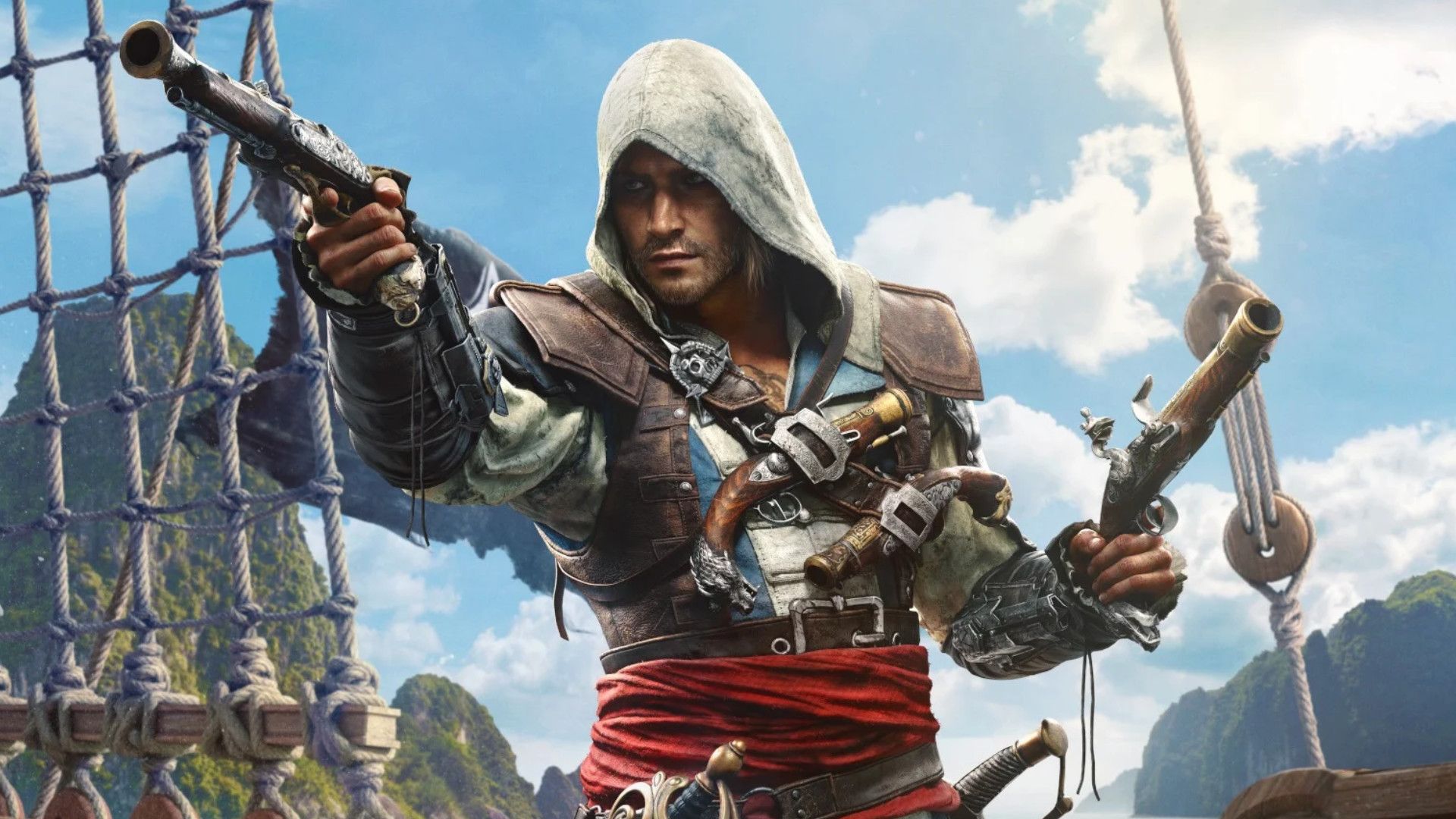
Black Flag Resynced's DRM Meltdown Reignites the "We Don't Own Games" Debate
Assassin's Creed Black Flag Resynced landed in hot water over the weekend after a DRM failure rendered the game briefly unplayable for a significant number of players. The technical breakdown, which locked paying customers out of a title they had purchased, arrived at one of the worst possible moments, with anxieties around digital ownership already running high across the gaming community. For many, the incident served as a stark, real-world illustration of the risks that come with modern DRM-dependent digital storefronts.
The backlash was swift and pointed. Players took to social media and forums to voice frustration, with the outage becoming a rallying point for longstanding arguments about what it truly means to "buy" a game in the digital age. Critics noted that a purely physical release, or even a DRM-free alternative, would have been immune to the kind of server-side hiccup that caused the weekend's disruptions. As digital libraries grow and publishers consolidate, incidents like this continue to fuel calls for stronger consumer protections around digital purchases.
Key Insights
- 1Assassin's Creed Black Flag Resynced became temporarily unplayable for many players over the weekend due to a DRM-related failure.
- 2The outage sparked renewed debate about digital ownership, with players questioning what purchasing a digital game actually guarantees.
- 3The timing was particularly sensitive, as concerns over digital consumer rights and game preservation are already at a peak in the broader gaming community.
- 4The incident highlights a core vulnerability of DRM-dependent digital titles: a server-side problem can lock out paying customers entirely.
- 5Critics and players alike are using the moment to push for greater transparency and consumer protections around digital game purchases.
Sources
Advertisement
Comments (0)
Sign in to join the discussion.