
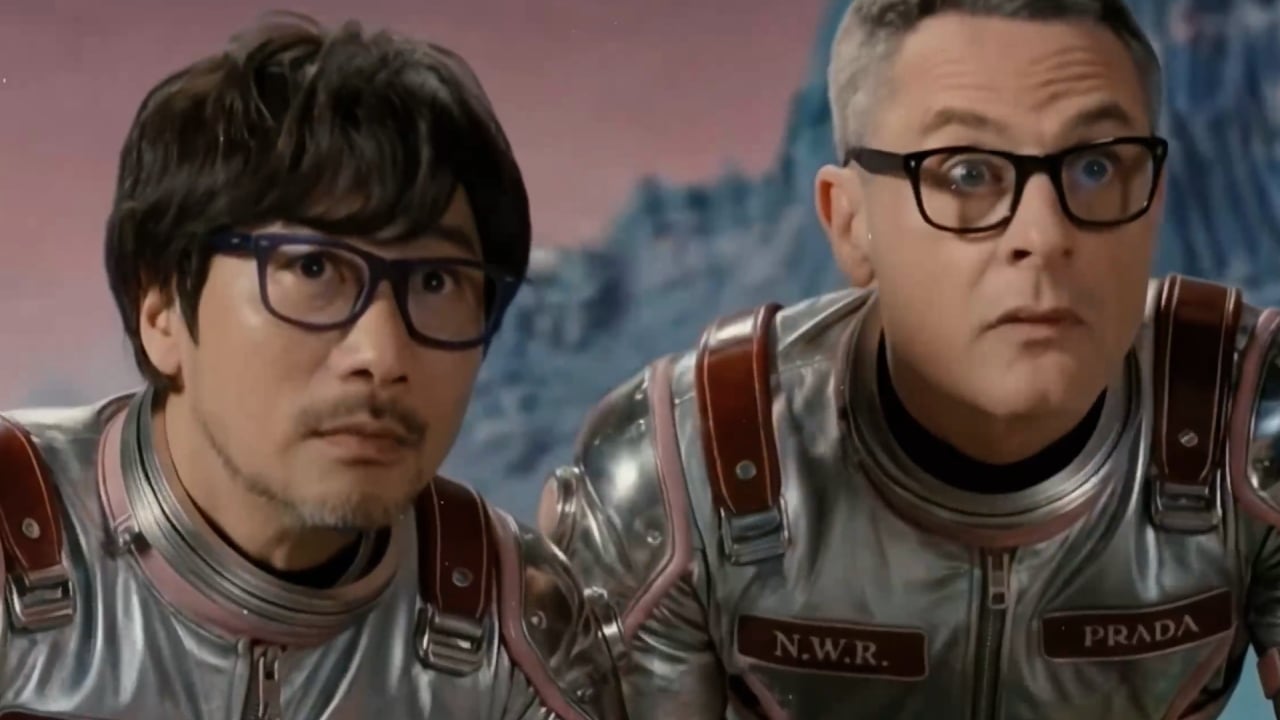
Hideo Kojima Has Mixed Feelings on DLSS 5 AI: 'I Don't Much Like That Idea'
Hideo Kojima, the acclaimed director behind the Metal Gear Solid and Death Stranding franchises, has opened up about his complicated relationship with NVIDIA's DLSS 5 technology, expressing reservations about the role artificial intelligence plays in altering a creator's work. After being sent images of DLSS 5 running on Death Stranding 2, Kojima admitted he has "mixed" feelings on the upscaling technology, specifically taking issue with the idea that AI can generate or modify visual information that was never originally intended by the developer.
At the core of Kojima's concern is the question of artistic intent. DLSS 5 leverages AI to reconstruct and even generate frames beyond what the original game engine produces, and Kojima worries that this process fundamentally undermines the deliberate creative decisions made by the development team. "I don't much like that idea," he said, noting he "wouldn't like" someone using AI to tamper with his own work. For a director as meticulous as Kojima, the notion that an algorithm could override or reinterpret carefully crafted visuals is clearly a sensitive one.
Key Insights
- 1Kojima described his feelings on DLSS 5 as 'mixed,' stopping short of an outright rejection but making his discomfort clear.
- 2His central concern is that AI upscaling and frame generation cannot understand a creator's original intentions, effectively altering the authored experience.
- 3The comments were prompted by someone sending Kojima images of DLSS 5 applied to Death Stranding 2, making the issue feel personal rather than purely theoretical.
- 4DLSS 5's AI-driven frame generation goes further than previous versions, giving it a more transformative, rather than purely assistive, role in rendering.
- 5Kojima's remarks add a high-profile creative voice to the ongoing debate about where AI assistance ends and artistic interference begins in gaming.
Advertisement
Comments (0)
Sign in to join the discussion.